
In response to the advancement of smart technologies and changing lifestyles, the design of future mobility devices is evolving toward greater diversity and user-centered innovation. The Department of Product Design at Ming Chuan University, in collaboration with China Motor Corporation, has promoted an industry-academia partnership. A team of students from the 28th graduating class focused on trends in smart transportation and pet-friendly mobility, proposing three future concept vehicle designs that demonstrate the next generation of designers’ innovative vision for future mobile lifestyles.
Through the collaboration, China Motor Corporation provided industry resources and professional guidance, enabling students to address practical issues such as market demand, technological trends, and user experience within their graduation projects, while integrating creative design concepts into real-world industrial contexts. The partnership not only enhanced students’ interdisciplinary integration and problem-solving abilities but also allowed the company to gain fresh innovative insights from the perspectives of the younger generation.
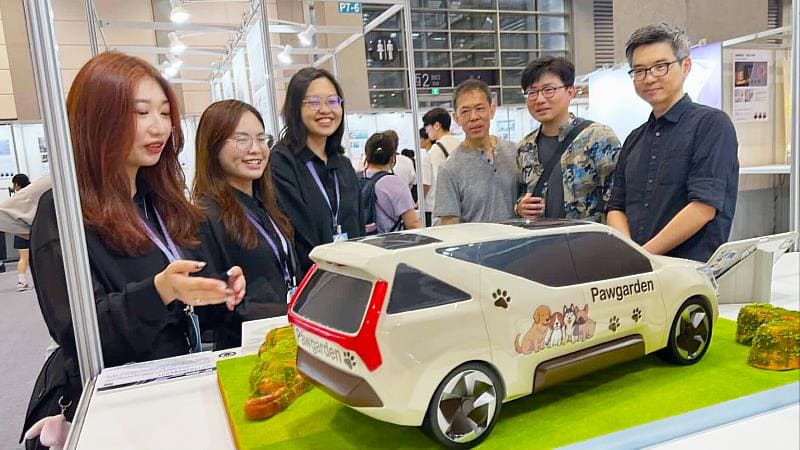
(The Department of Product Design at Ming Chuan University and China Motor Corporation Promote Industry-Academia Collaboration, Designing a New Generation of Smart and Pet-Friendly Concept Vehicles)
This project was jointly supervised by Professors Fu-Nien Lin, Hsing-Ju Huang, and Hsin-Chang Lo from the Department of Product Design. Drawing inspiration from social trends such as smart tourism, green transportation, and the growing pet economy, three student teams proposed different solutions for the future of mobility.
Among the projects, BONVIA, an autonomous sightseeing vehicle, integrates low-speed self-driving technology with a digital tour guide system. Travelers can use a mobile app to make reservations, while the system provides real-time itinerary planning and route interaction based on user needs. The vehicle features a multilingual interface to accommodate both senior citizens and international visitors, making it easier for users to enjoy a smart and sustainable travel experience.
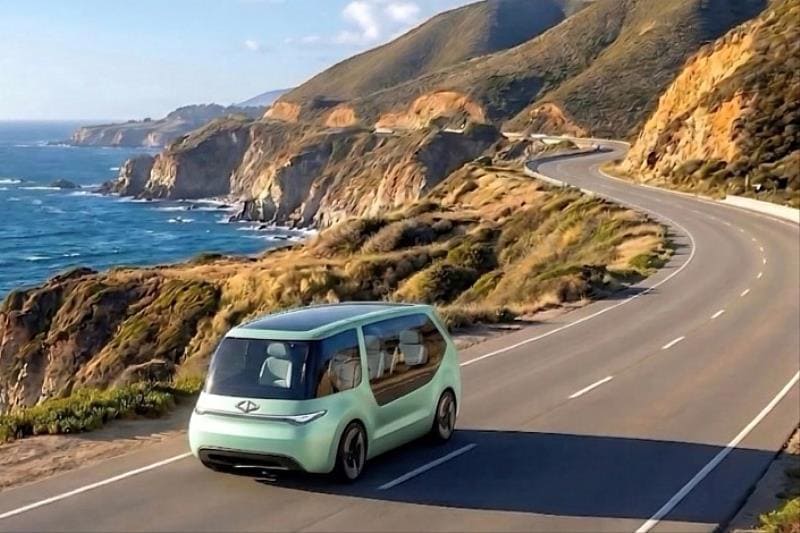
(BONVIA Autonomous Sightseeing Vehicle)
WANDERPAW, a green-energy concept vehicle designed for both people and pets, responds to the growing demand for shared travel experiences between pet owners and their companions. Powered by a hydrogen energy system, the design integrates human-pet co-travel, storage solutions, and leisure spaces into a single platform. It functions as a lifestyle vehicle that combines mobility, recreation, and emotional interaction, showcasing a new vision for future human-pet companionship on the move.
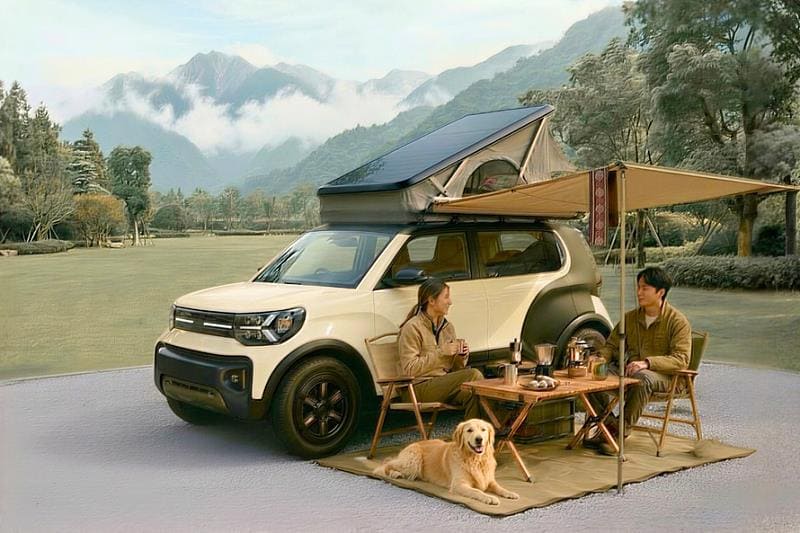
(WANDERPAW Human-Pet Companion Green Concept Vehicle)
Another concept, Pawgarden, is a pet transportation vehicle designed around the idea of a “mobile second backyard”. Centered on the needs of pets, the vehicle’s interior layout and safety features are carefully planned to create a secure and comfortable environment for pet transport and temporary stays. The design provides pet owners with peace of mind when entrusting their animals to the service, while reimagining the standards of comfort and care that pets require during travel.
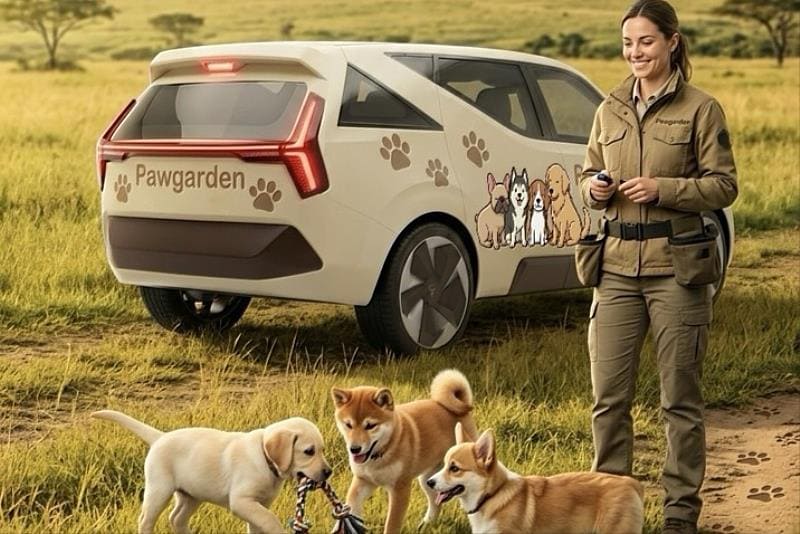
(Pawgarden Professional Dog-Walking and Pet Transportation Vehicle)
Ming Chuan University stated that this collaboration with China Motor Corporation not only provided students with valuable exposure to real-world industry practices, but also encouraged emerging designers to approach innovation from the perspectives of social needs and user experience. By fostering industry-academia partnerships, the university aims to cultivate interdisciplinary talent equipped with both creative design thinking and practical problem-solving skills, while continuing to inject fresh innovation into the industry.
Source : https://www.cna.com.tw/postwrite/chi/435346